Flooring in Athletic Spaces: Balancing Performance and Durability
Athletic spaces place some of the most demanding requirements on flooring. Unlike residential or commercial environments, sports flooring must perform on two levels simultaneously: delivering optimal performance for athletes while maintaining structural durability under constant stress. Selecting and installing the right flooring for athletic spaces requires a deep understanding of materials, functionality, and long-term wear.
Achieving the right balance between performance and durability means looking beyond basic product specs and understanding how real-world use affects floor systems over time.
The Dual Demands of Athletic Flooring
Sports flooring is unique because it serves both the athlete and the facility. On the performance side, athletes require flooring that supports quick movements, cushions impacts, and provides the right amount of traction. Flooring that’s too hard may increase injury risk, while surfaces that are too soft or slick can interfere with performance.
Durability, on the other hand, is about how well the flooring stands up to heavy traffic, repetitive impact, and daily maintenance. Gyms, fitness centers, indoor courts, and multipurpose athletic spaces all experience continuous wear that can quickly degrade low-quality materials. Spills, dropped weights, scuffing from footwear, and equipment drag all contribute to flooring breakdown over time.
Material Science: Choosing the Right Product for Each Space
Each athletic environment comes with its own performance priorities. For instance, a basketball court requires different flooring properties than a weightlifting platform or an indoor track. Flooring retailers and specifiers need to match the material to the specific activity and environment.
Hardwood systems
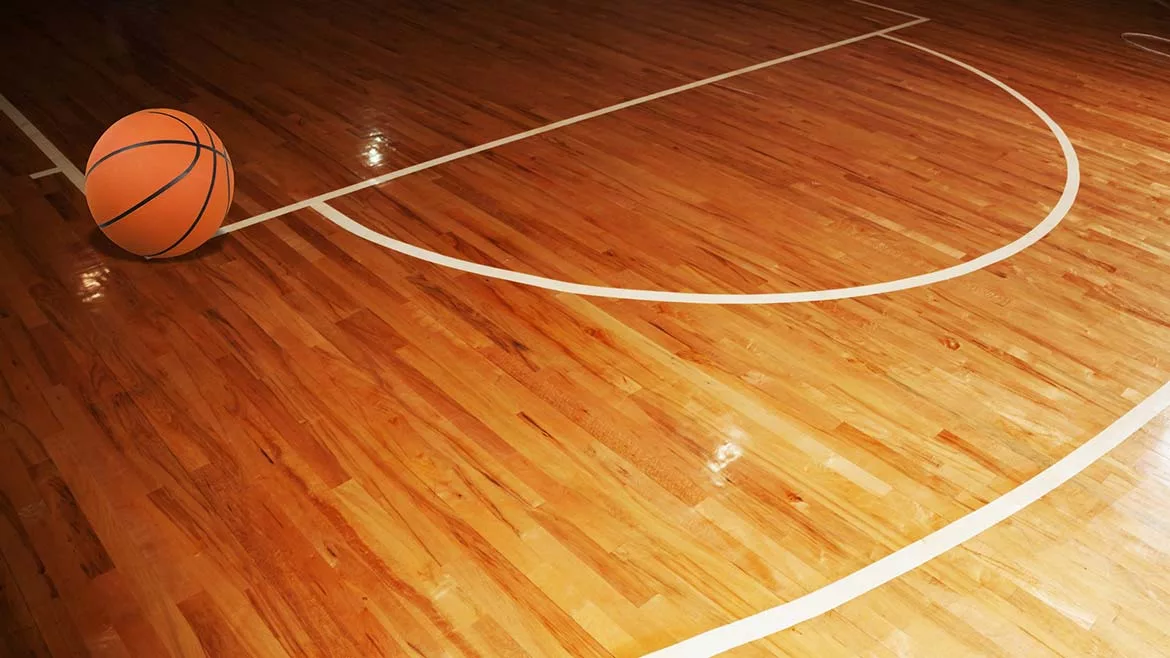
For sports like basketball and volleyball, maple hardwood remains the gold standard due to its balance of resilience, controlled traction, and consistent ball response. Proper subfloor systems underneath the wood provide shock absorption and minimize stress on athletes' joints.
Resilient vinyl and polyurethane systems
For multipurpose athletic facilities, synthetic options like cushioned vinyl or seamless polyurethane systems offer excellent versatility. These materials provide consistent traction, easy maintenance, and customizable shock absorption levels while resisting moisture and surface wear. Seamless systems also eliminate seams that can become failure points under repeated stress.
Rubber flooring
For weight rooms, fitness centers, and functional training spaces, rubber flooring offers superior impact resistance and slip prevention. Its dense composition withstands dropped weights, equipment movement, and heavy traffic. High-density rubber tiles and rolls are also effective in noise reduction, another factor often overlooked in athletic space design.
Textile and turf systems
In indoor practice facilities or training areas focused on agility drills, synthetic turf or specialized textile flooring delivers a surface closer to outdoor conditions while still offering shock absorption and durability. These systems also allow customization for sport-specific needs.
Installation Considerations: Protecting Performance from Day One
Even the highest-quality flooring can fail prematurely if installation isn't handled correctly. Subfloor preparation is crucial. An uneven or unstable subfloor will cause premature wear, dead spots, or surface instability.
Moisture control is another critical factor, especially with resilient systems or hardwood installations. Athletic floors are sensitive to moisture vapor emissions, which can lead to warping, bubbling, or adhesive failures if not properly managed.
Professional installation also includes attention to expansion gaps, adhesive selection, and alignment of seams or tiles to minimize weak points. Certified installers who understand the specific behavior of athletic flooring materials are essential to long-term success.
Ongoing Maintenance and Longevity
Once installed, proper care extends the life of athletic flooring. Retailers should educate clients on best practices:
- Use appropriate cleaning agents that won't degrade surface coatings.
- Establish daily maintenance routines to remove dust, sweat, and debris that create slip hazards.
- Schedule periodic inspections to catch early signs of wear, such as surface delamination or seam separation.
- Apply protective coatings or refinishing treatments as recommended by manufacturers.
Proactive maintenance not only preserves the performance characteristics but protects the facility’s investment in the long run.
The Role of Compliance and Safety Standards
Safety is central to any athletic flooring selection. Many sports flooring systems are tested to meet international safety standards such as DIN 18032 or ASTM F2772, which evaluate factors like shock absorption, vertical deformation, and friction. Flooring professionals should ensure that any system recommended for athletic use is fully compliant with the appropriate safety standards for the intended sport or multiuse purpose.
Compliance not only protects athletes but also shields facility owners from potential liability concerns tied to preventable injuries or unsafe playing conditions.
Preparing for Multiuse Demands
Many modern athletic facilities serve multiple purposes — hosting basketball tournaments one day, yoga classes the next, and community events on weekends. Multiuse demands add complexity to flooring selection, as systems must handle athletic performance while standing up to tables, chairs, bleachers, and non-sporting events.
Modular flooring systems, higher-grade polyurethane coatings, and hybrid surface treatments help accommodate both athletic and non-athletic use cases without sacrificing durability. Retailers should guide facility managers toward systems that offer flexible performance across a wide range of uses.
Integrating Equipment and Flooring Performance
Another key consideration in athletic flooring design is how the flooring interacts with surrounding equipment. Heavy machines, free weights, and movable bleachers all introduce localized stress points that can shorten a floor's life if not accounted for during planning.
This is where close coordination with facility owners, architects, and vendors supplying construction sports equipment becomes critical. Load-bearing capacities, point load resistance, and reinforcement options may need to be integrated into the flooring system design to accommodate these demands. Overlooking these factors can lead to premature damage even on otherwise well-chosen floor systems.
Balancing Performance and Longevity
The true challenge of athletic flooring is finding that ideal intersection between performance and durability. Athletes need safe, responsive surfaces that protect their bodies and support their movement. Facility owners need flooring systems that can endure heavy use without constant repairs or replacement.
For flooring retailers and industry professionals, success comes from understanding both sides of this equation. By matching material science with real-world facility needs, and by supporting clients through proper installation and care, flooring professionals can help create athletic spaces that deliver exceptional performance year after year.
Looking for a reprint of this article?
From high-res PDFs to custom plaques, order your copy today!