Silicon Valley Sales Frameworks Come to Commercial Flooring
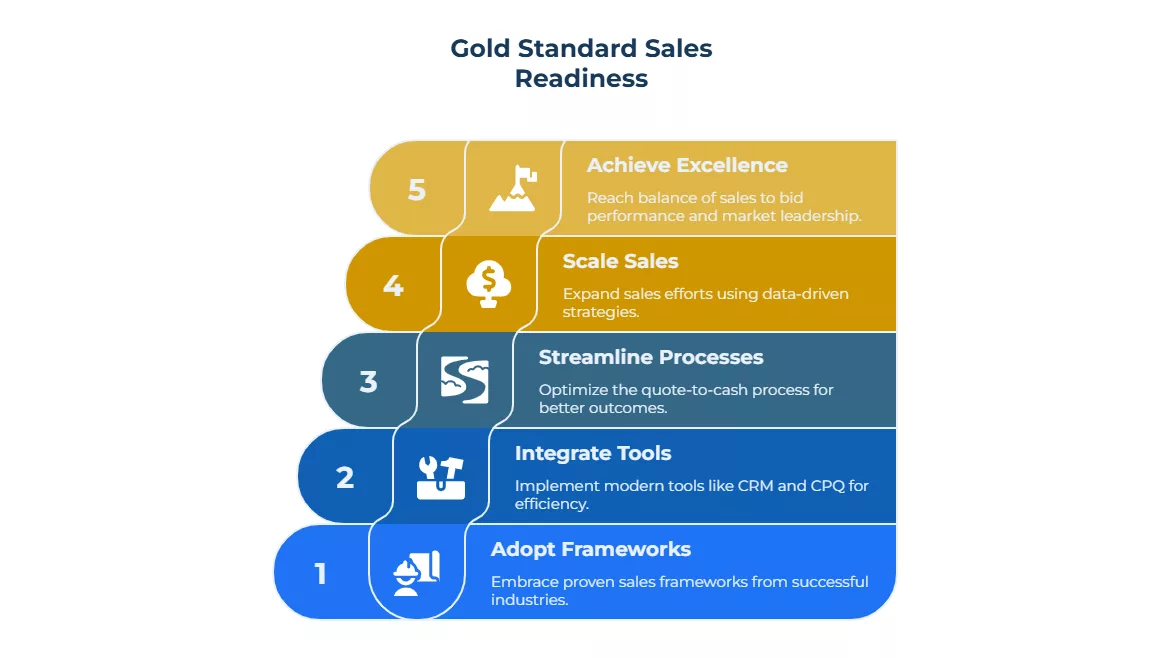
Today, all businesses are operating in an attention-based economy which constantly resets the minimum expectations of differentiation using the crucible of technology adoption. For commercial interior specialty contractors, the traditional cradle-to-grave project-based bidding model often presents significant challenges, including high stress for individual associates and inherent limitations on growth. In this outdated model, a single salesperson typically handles everything from initial lead generation to project completion and often payment collection. This approach limits scalability and can lead to customer suffering and errors negatively impacting profits once business volumes reach a certain level.
The Starnet committees, the driving force for improvement in the network, have all worked on the elements (talent, operations, technology, data) necessary to migrate the entire membership from “cradle to grave” to a team selling model. The team selling concept revolves around specializing four key positions: salesperson, estimator, procurement manager, and field superintendent, each focusing on distinct competencies to create an "assembly line" approach. This specialization, particularly the separation of sales from project execution once a contract is signed, is presented as a major advantage, leading to increased profitability, reduced employee stress, and enhanced customer satisfaction.
Entrepreneurs and sales leaders aiming to make this transition are often concerned that the overhead will increase dramatically or the client will feel neglected in the handoff. As an option to mitigate these concerns, specialty trade contractors can develop a more stable, subscription-based recurring revenue model—akin to successful technology companies. This approach can allow more freedom to experiment with the team selling model and potentially lead to exponential growth by creating new organic demand. Leaders can choose to develop a subscription sales process from scratch or adopt proven sales management frameworks used by the world beaters in Silicon Valley. A robust sales readiness framework can provide the playbook for specialty trade contractors to make this transformative shift.
Sales Readiness: Equipping a Team for Subscription Success
Sales readiness is about comprehensively equipping your interior contracting sales team with the necessary skills, knowledge, tools, and processes to effectively sell and manage subscription services. Large corporations like Home Depot have been vocal in their identification of ongoing commercial building repair, maintenance, and operations (MRO) as a massive growth and consolidation opportunity for professional installed services to the delight of their shareholders. The common sales readiness framework, widely used by technology and software firms, offers an ideal model by integrating content management, training, coaching, and analytics. Ironically, these integrations are also commonly delivered through subscription services such as Highspot and Paperflite.
Sales readiness frameworks support a "team selling" environment, where sales professionals can focus solely on the sales process from lead generation to securing a signed contract. Other team members then focus on project execution and delivery, ultimately driving higher gross profit levels per employee and supporting significant company growth.
Articulate Value, Not Process for a Price
In a subscription model, articulating ongoing value is paramount. Sales readiness programs empower teams by providing tailored, subscription-specific content centrally accessible through a content management system.
These generally include:
- Pitch deck templates which highlight the value of subscriptions, such as cost predictability, reduced downtime, brand image impact or risk mitigation.
- Case studies or testimonials from past clients and award-winning projects using a common template showcasing successful subscription outcomes emphasize long-term savings and facility professional satisfaction.
- Comparison templates or “battlecards” that allow subscription MRO services to be evaluated by the client against traditional bid models, directly addressing common pain points like outdated interior systems or the disruption of executing a traditional all-inclusive trades project.
- Context-specific content based on deal stage or client type — retail vs. office, leased vs. owner occupiers. This capability can be modeled by AI or scripted based on past client profiles by experienced associates. This training facilitates proactive outreach to decision-makers like property managers or REITs, activating early career associates or changing the performance of traditional sales professionals focused on bidding the general contractors.
Transforming Your Sales Team
The top sales readiness programs integrate a learning management system (LMS) crucial for transforming project-focused sales teams into disciplined pros adept at selling recurring services. Training emphasizes customer lifetime value (LTV), retention, and upsell strategies, shifting focus from one-time deals to long-term relationships, the foundation of modern Silicon Valley sales teams.
This may include:
- Consultative selling teaching methodologies like SPIN or Challenger to effectively address client challenges, such as high facility operating costs or tenant complaints, by positioning subscriptions as comprehensive solutions.
- Technical expertise related to services (e.g., SDS and documentation review, IICRC Certification, CEU history, and documented formal installation training) to build credibility with clients. This objective record keeping directly addresses concerns about recommendations by the sales team and that those who will execute on the jobsite have ongoing professional development.
- Role-based coaching for role-plays, simulating pitches to facility managers or REIT executives around common pain points or discovering organizational priorities. Sales leader and AI-driven feedback can analyze pitch effectiveness, helping reps refine their approach. This structured training can significantly reduce manager stress and improve overall employee engagement, as associates are better equipped and supported in their roles.
Driving Continuous Growth
Today’s sales readiness frameworks, supported by modern software tools or a formal sales enablement program allow for powerful analytics to be deployed. Leaders can monitor key performance indicators KPI specific to subscription services, such as recurring revenue growth, customer retention rate, lower days sales outstanding DSO, and average contract value ACV. This data-driven approach moves beyond intuition and the old model of “bid to backlog” to enable sales strategies and close deals more effectively. Shifting compensation from sliding-scale commissions to KPI incentives, like bonuses for DSO average below 45 days or multi-year agreements, aligns sales behavior with long-term revenue goals. This shift addresses the downside of inactive management and removes the negative impacts of traditional commission-driven behavior. Sales readiness KPIs can also incorporate automated alerts in the CRM to notify reps of upcoming renewals, ensuring proactive client outreach. This rarely happens in today’s bid environment, despite the proven effectiveness of follow-up. Reps can be trained to use analytics to predict churn risk and prepare to expand client service scope to additional areas or products early, ensuring continuous revenue optimization and client satisfaction.
The Entrepreneurial Advantage of Frameworks
For specialty contractors, adopting proven frameworks from profitable and successful industries offers significant advantages over developing a custom sales process from scratch, or allowing the status quo to continue. These frameworks are "battle-tested" by leading companies like DocuSign, Salesforce, and Johnson & Johnson across industries, particularly in tech and subscription-based models. They incorporate best practices, significantly reducing your trial-and-error phase. They are designed for growth and integrate with modern tools like customer relationship management CRM, configure-price-quote CPQ, contract lifecycle management CLM, and billing platforms, streamlining the entire quote-to-cash Q2C process. The major companies running these frameworks have demanded all of these applications from their software providers. This enables entrepreneurs to build repeatable, data-driven sales processes and scale sales efforts by taking advantage of the investments of other industries. Specialty trade contractors can deploy pre-built training modules, content management systems, and qualification methodologies, enabling faster market entry and revenue generation. This is much more reliable than developing and testing a clumsy internal process using the “analog equivalent” spreadsheet with veteran employees.
Enhanced Differentiation
Get more business insights for retailers and contractors
Contrary to concerns that frameworks might hinder uniqueness of Starnet companies, they provide a robust yet flexible foundation that our members can tailor to highlight and relentlessly communicate their company’s unique value proposition. Differentiation often comes from superior execution, which these frameworks ensure, making Starnet members running the team selling model stand out against our traditional trade models. Using these Silicon Valley sales readiness frameworks and a targeted local market strategy, specialty trade interior contractors can move from reactive bidding to a proactive, subscription-based model of service. This model will be attractive to the best clients in the market, because they are familiar with this approach from so many respected vendors. This subscription model approach will secure a predictable, continuous revenue stream and position Starnet members as innovators in the commercial interior space, achieving a "gold standard" for sustainable growth.
Looking for a reprint of this article?
From high-res PDFs to custom plaques, order your copy today!